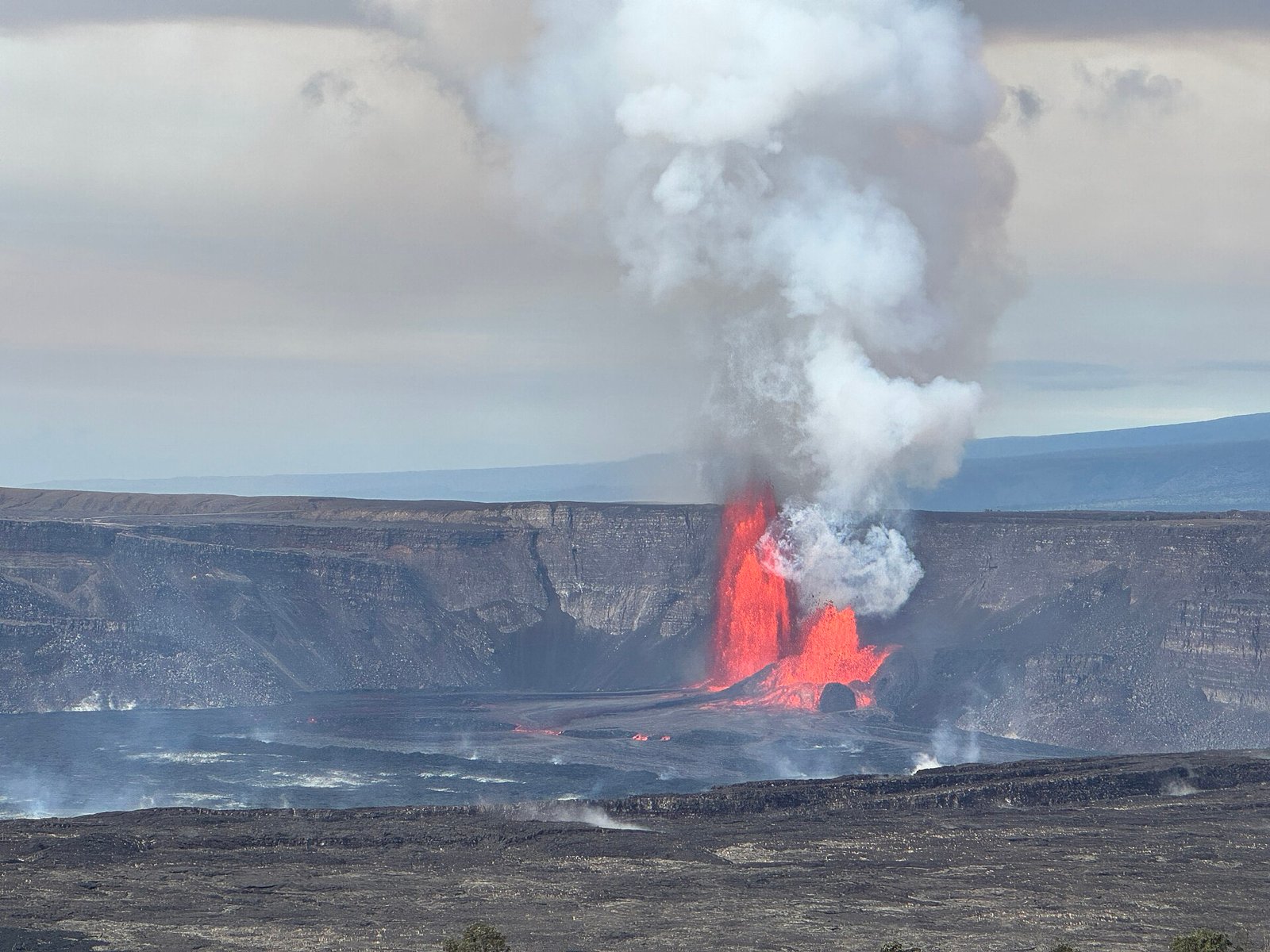
Hawaiʻi Volcanoes National Park protects two of the world’s most active volcanoes, Kīlauea and Mauna Loa. A visit can include steaming craters, lava tubes, a hike across a solidified lava lake and, when Kīlauea is erupting, lava fountains you can see from the crater rim. Here’s what to know before you go.
Quick facts
- Entrance fee: $30 per private vehicle at the time of writing, valid for 7 days. Card only at the gate, or buy a digital pass in advance.
- Passes: the America the Beautiful pass and the Hawaiʻi Tri-Park pass are accepted.
- Reservations: not required for general entry.
- Elevation: the summit area is about 4,000 feet, so it’s cooler and often rainy. Bring a layer.
- Getting there: about 45 minutes from Hilo and around two to two and a half hours from Kona.
The current eruption
Kīlauea’s summit has been erupting in short episodes since December 23, 2024. During each episode, lava fountains rise from vents inside Halemaʻumaʻu crater, sometimes hundreds of feet high, usually for several hours to a day, followed by a pause of days or weeks. All lava has stayed inside a closed area of the park. During an episode, the fountains can be seen from open overlooks on the crater rim, and the glow is especially striking after dark.
Eruption timing changes, so check the USGS Hawaiian Volcano Observatory updates and the park’s alerts page before you go. The observatory also runs live webcams of the summit.
Stay safe around the eruption
- Stay in open areas. Closed areas are closed because of falling tephra, unstable ground and cracks.
- Watch for volcanic gas. Sulfur dioxide can affect people with heart or breathing conditions, young children and pregnant visitors. Leave if you feel unwell.
- Avoid Pele’s hair and tephra. Fine strands of volcanic glass can blow onto overlooks and parking areas. Don’t touch or collect them.
- Overlooks can close. Areas close at times for tephra cleanup, so have a backup plan.
What to see
- Crater Rim Drive: the open stretches pass steam vents, sulfur banks and overlooks into the summit caldera.
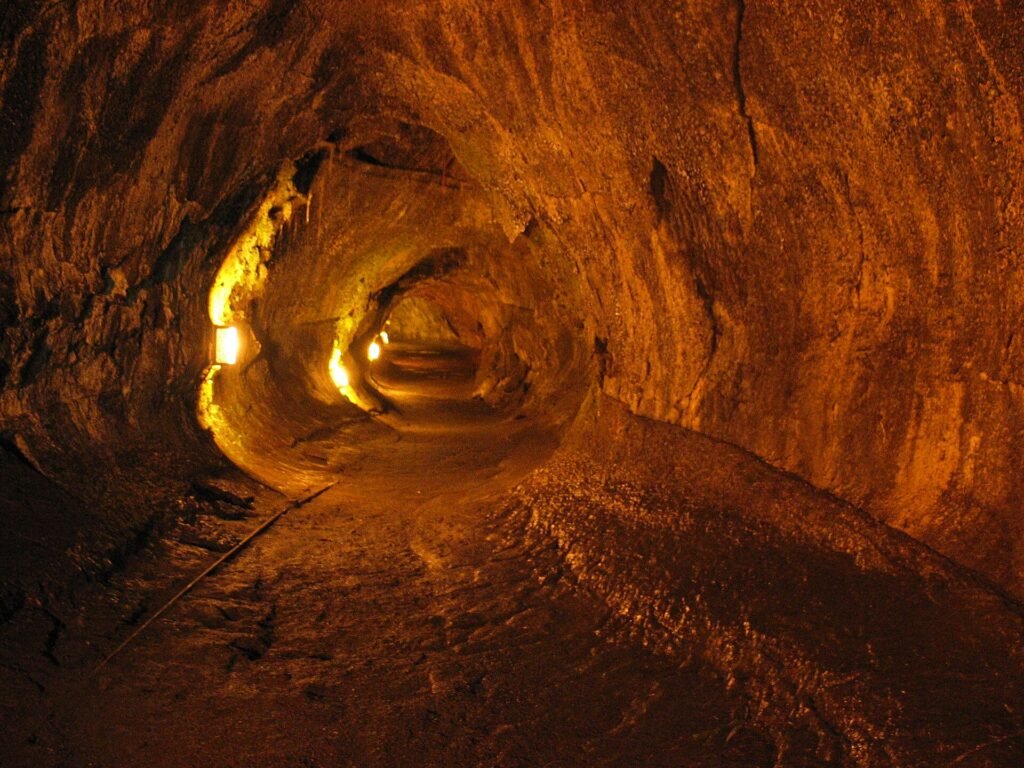
- Nāhuku (Thurston Lava Tube): a short walk through a lit lava tube in the rainforest.
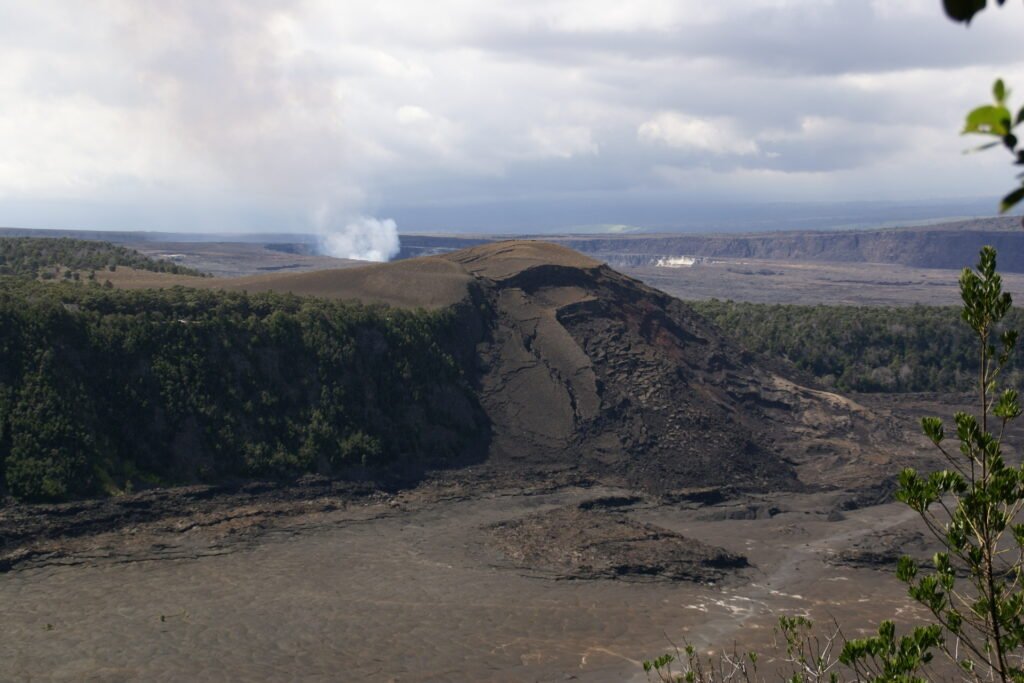
- Kīlauea Iki Trail: a 4-mile loop that drops through rainforest and crosses the floor of a crater that held a lava lake in 1959.
- Chain of Craters Road: a drive past craters and old lava flows down to the sea and the Hōlei Sea Arch, when the road is open.
- The visitor center: start here for maps, ranger programs and the day’s conditions.
How to plan your visit
Give the park at least a full day. If you’re based on the Kona side, consider spending a night in Volcano village or Hilo so you aren’t driving both ways in one day. During an eruption, visiting after dark is often the most memorable. Bring a rain jacket, sturdy shoes, water and a flashlight. Our guide to Hilo and the volcano area suggests how to split the time.
Prefer a tour?
We may earn a commission when you book through links on this page, at no extra cost to you. How we make money.
Guided tours from Hilo and Kona handle the long drive and include a guide who knows which areas are open that day. Compare Hawaiʻi Volcanoes tours.
Rather drive yourself? The Shaka Guide Hawaiʻi Volcanoes National Park Tour is a GPS audio guide that narrates the park’s stops as you go.
Where to stay nearby
See Volcano village stays · See Hilo stays · More options in our guide to where to stay on the Big Island.