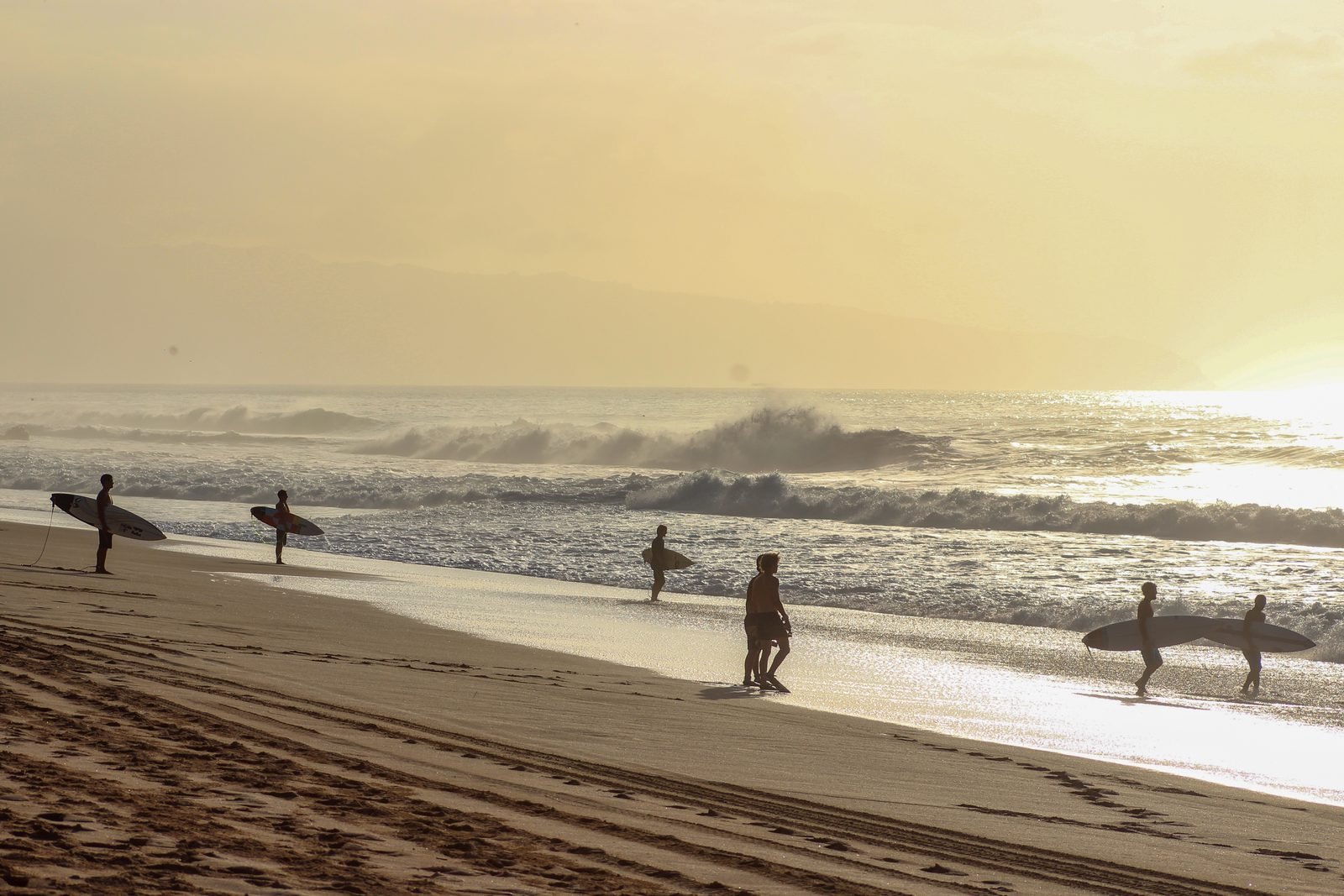
Staying on Oʻahu’s North Shore means waking up near the beaches instead of driving an hour each way from Waikīkī. The catch is that there are very few hotels up here, and the rules on vacation rentals are strict. Here’s what your real options are and how to choose between them.
The short version
- Want a resort? Stay in the Turtle Bay resort area at the island’s northern tip.
- Want a mid-range hotel? Look at Lāʻie, east of Turtle Bay.
- Want a house in Haleʻiwa or by the surf breaks? Make sure it’s a legal rental, or plan to stay 90 days.
- Only want a day or two up north? Stay in Waikīkī and drive up.
Turtle Bay: the resort option
The Turtle Bay resort area near Kahuku is the North Shore’s main hotel zone. The Ritz-Carlton Oʻahu, Turtle Bay sits on a large oceanfront property with miles of coastline and walking and biking trails, and it’s the only full-service luxury resort on this side of the island.
Turtle Bay is also a resort-zoned area, so condos and villas there can legally rent for short stays. That makes it the best bet for families who want a kitchen and more space without breaking the rental rules. The trade-off is distance: it’s about a 15–20 minute drive to the Pipeline and Waimea Bay area, and farther to Haleʻiwa town.
Lāʻie: a mid-range hotel
Courtyard by Marriott Oahu North Shore in Lāʻie is the main mid-range hotel on this coast. It’s close to the Polynesian Cultural Center and a short drive from Turtle Bay. Like Turtle Bay, it puts you on the eastern end of the North Shore, so plan on driving to reach Haleʻiwa and the famous surf beaches.
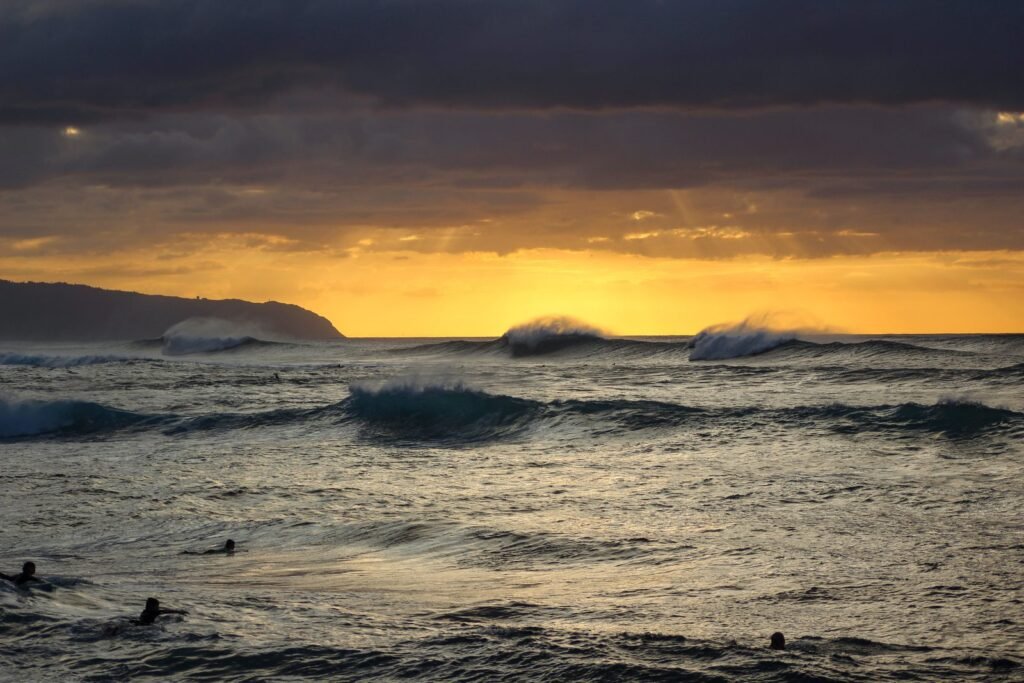
Haleʻiwa, Sunset Beach and Pūpūkea: check the rental rules
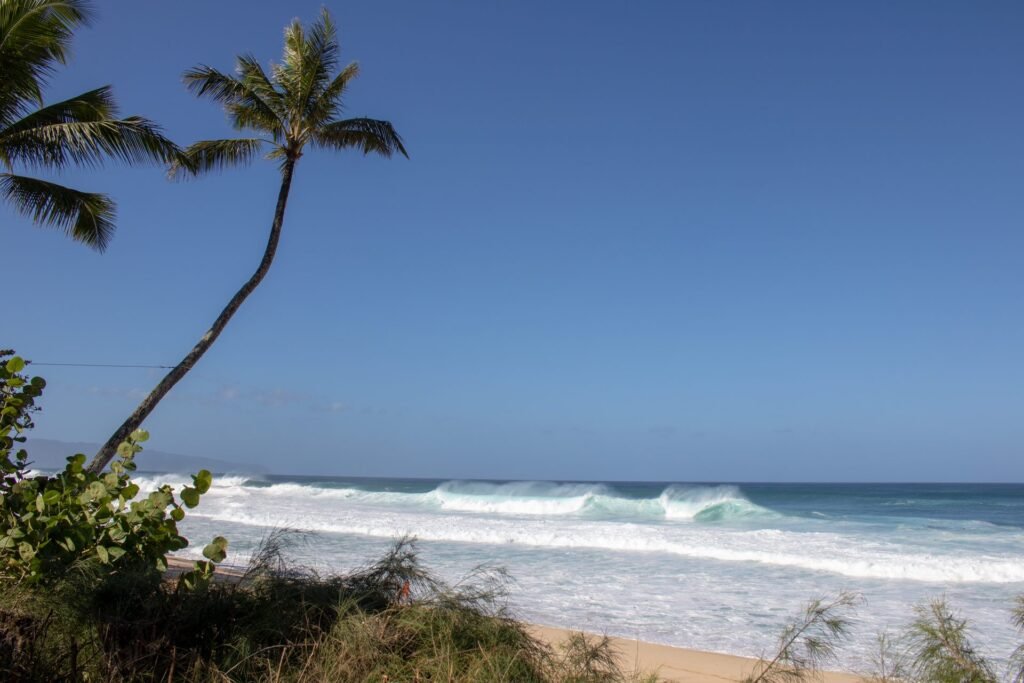
Many of the beach houses you’ll see listed near Haleʻiwa, Sunset Beach and Pūpūkea sit in residential neighborhoods. On Oʻahu, rentals in residential areas outside resort zones need a minimum stay of 90 days. A property can only rent for shorter stays if it’s in a resort zone or holds a valid city permit.
- Look for a city registration or permit number on the listing.
- Check the property against the City and County of Honolulu’s list of legal short-term rentals.
- Be wary of listings that ask you to book off-platform or say nothing about the 90-day rule.
Booking an illegal rental puts your trip at risk if the listing gets shut down, and it takes housing away from people who live here.
Or stay in Waikīkī and drive up
If you’re on Oʻahu for a week and only want one or two North Shore days, staying in Waikīkī often makes more sense. Without traffic, the drive to Haleʻiwa takes about an hour. Leave early on big-wave days, when traffic on Kamehameha Highway can back up for miles. Our big-wave season guide has tips for those days.
Winter or summer?
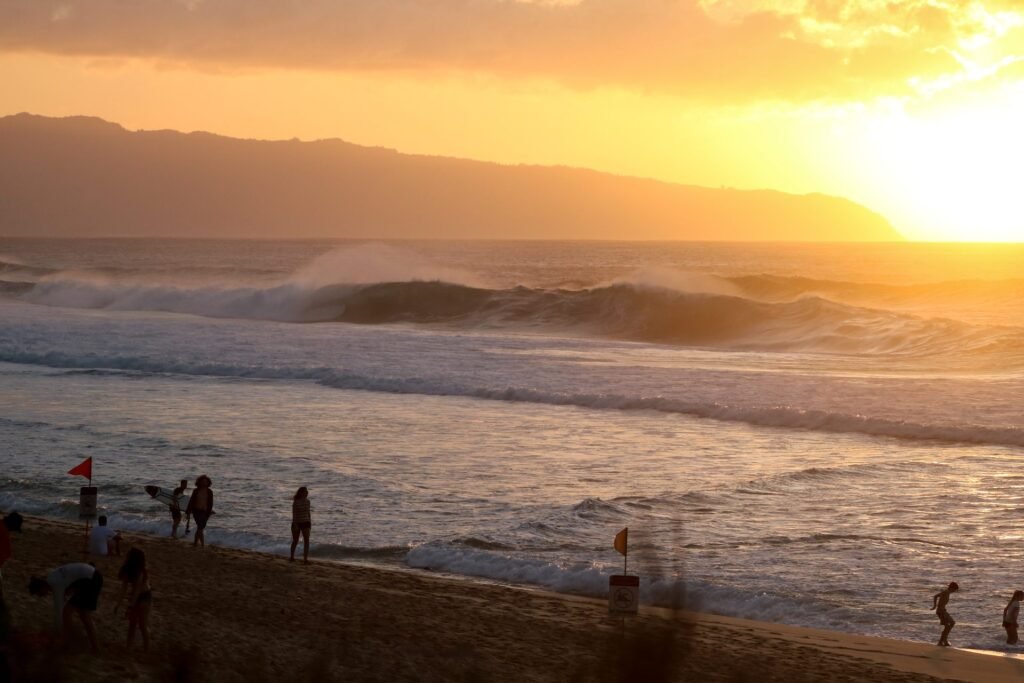
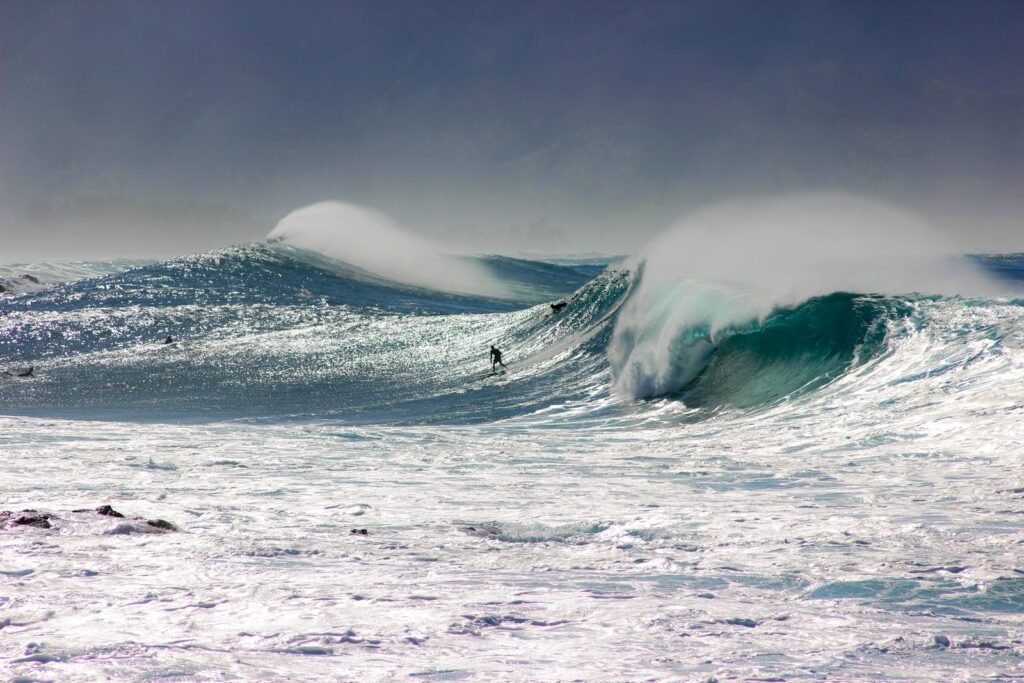
Winter (roughly November through February) brings the big surf the North Shore is famous for, along with surf contests, crowds and busy roads. It’s the time to watch waves, not to swim at most beaches.
Summer is calmer. The ocean often lies flat, and spots like Sharks Cove become good snorkeling. Rates and traffic are usually easier too.
You’ll need a car
We may earn a commission when you book through links on this page, at no extra cost to you. How we make money.
Hotels and beaches are spread along the coast and public transit is slow, so plan on renting a car if you stay up here. Read whether you need a rental car on Oʻahu, or compare Honolulu Airport car rentals on Discover Cars.
Book it
See Haleʻiwa and North Shore stays on Expedia. Staying in town instead? Compare Waikīkī hotels.