There’s no bad time to visit Hawaiʻi. It’s warm all year, and the ocean rarely drops much below the mid-70s °F. But the islands do have seasons, and the month you pick changes the weather, the surf, whether you’ll see humpback whales and how much you’ll pay. Here’s how the year breaks down.
The short answer
- Best overall: April to May and September to October. Good weather, calmer crowds and lower prices.
- Best for whales: January to March.
- Best for big-wave watching: November to February on Oʻahu’s North Shore.
- Best for calm snorkeling on north shores: May to September.
- Most expensive: mid-December to March, plus June to mid-August.
Hawaiʻi month by month
| Month | Weather | Ocean | Whales | Crowds and prices |
|---|---|---|---|---|
| January | Cooler, wetter (wet season) | Big North Shore surf | Peak whale season | High |
| February | Wetter, breezy | Big North Shore surf | Peak whale season | High (Presidents Day) |
| March | Showers easing | North Shore still active | Whales still common | High (spring break) |
| April | Drier, warm | Calmer seas begin | Last whales | Medium; good value after Easter |
| May | Dry, sunny | Calm North Shore, small south swells | None | Low; one of the best months |
| June | Hot, dry | Summer south swells, calm north | None | Rising from mid-June |
| July | Hot, dry | South swells, calm north | None | High (summer holidays) |
| August | Hottest, driest | South swells | None | High until late August |
| September | Hot, dry, warmest ocean | Calm, clear water | None | Low; one of the best months |
| October | Warm, first showers | First North Shore swells | None | Low to medium |
| November | Wet season starts | North Shore surf season | First whales arrive | Medium (Thanksgiving week high) |
| December | Cooler, showers | Big North Shore surf | Whales arriving | Very high from mid-December |
★ marks the best-value months. Conditions vary by island and even by side of the island, so treat this as a guide rather than a forecast.
The two seasons
Hawaiians traditionally recognize two seasons. Kau, roughly May through October, is the warmer, drier half of the year. Hoʻoilo, roughly November through April, is cooler and wetter, with more passing showers and the odd stormy spell. Even in winter, most days have plenty of sun.
Where you are matters more than the month. The windward (east and north-east) sides of every island catch the trade winds and most of the rain, which is why they’re so green. The leeward (west and south) sides, such as Waikīkī, Kāʻanapali, Wailea, Poʻipū and Kona, are drier and sunnier year round.
Ocean conditions
In winter, big swells from the North Pacific hit the north-facing shores, and Oʻahu’s North Shore becomes the center of the surfing world. It’s spectacular to watch from the sand but dangerous to swim. In summer the north shores often go flat and clear, which makes places like Sharks Cove good for snorkeling, while smaller south swells roll into Waikīkī. See North Shore big-wave season.
Whale season
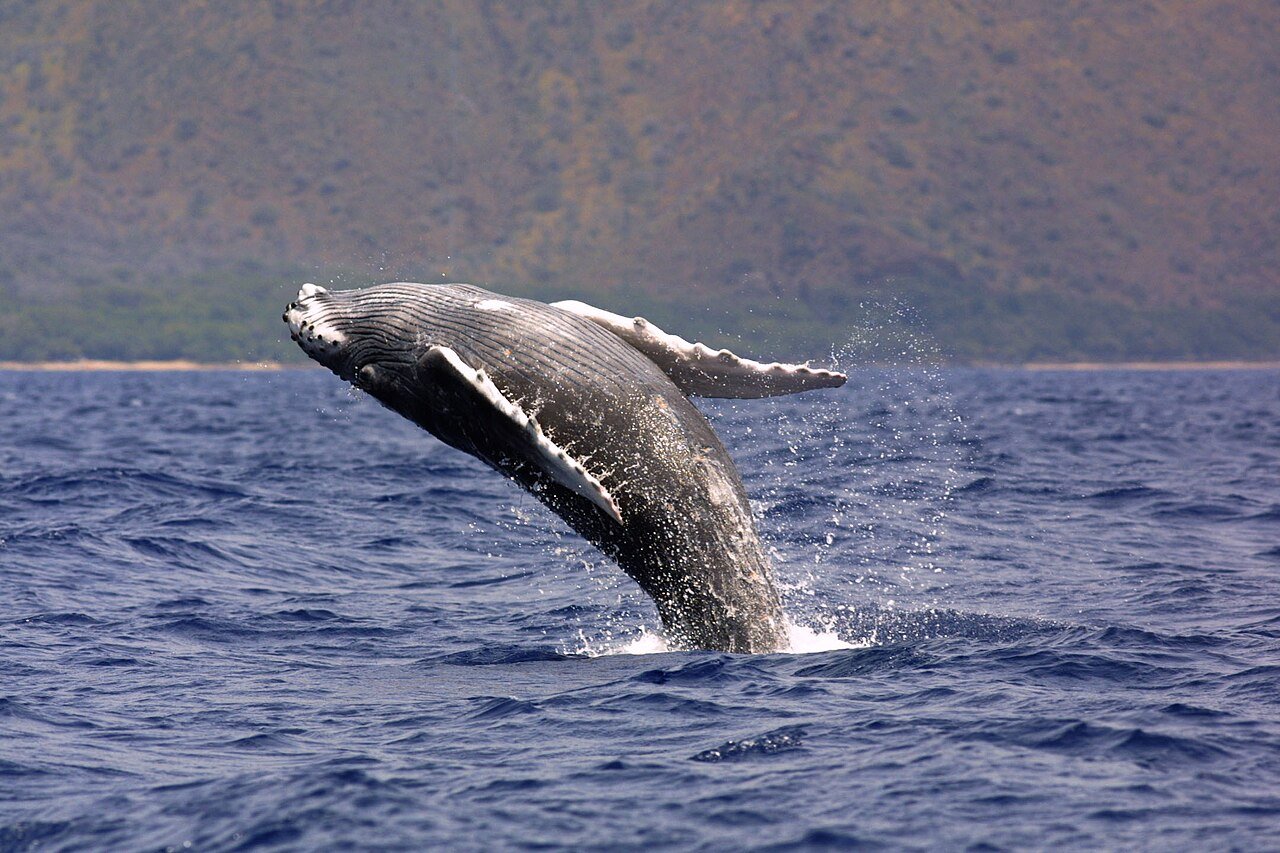
Humpback whales migrate from Alaska to Hawaiʻi’s warm waters to breed and give birth. They begin arriving around November, are most common from January through March, and are mostly gone by May. Maui’s channels are the best-known spot, but you can see them off every island. See whale watching on Oʻahu.
Hurricane season
Hawaiʻi’s hurricane season officially runs June through November. Direct hits are rare, but storms passing nearby can bring heavy rain, high surf and closures. If you’re traveling in late summer or fall, keep an eye on the forecast and consider travel insurance. Our Hawaiʻi weather page has live forecasts for every island.
Crowds and prices
The busiest and most expensive times are the winter holidays through spring break, when North Americans escape the cold, and summer school holidays. Hotel rates, flights and rental cars can be much cheaper in the shoulder months. Popular reservations, like Haleakalā sunrise and Hāʻena, sell out year round, so check the reservations tracker whenever you go.