Hawaiʻi Island, better known as the Big Island, is larger than all the other Hawaiian islands combined. It has an active volcano, snow-capped summits in winter, black and green sand beaches, rainforest waterfalls and some of the best night snorkeling anywhere. Distances are long, so it helps to know what’s worth the drive. Here’s where to start.
The quick list
- Hawaiʻi Volcanoes National Park: craters, lava tubes and an ongoing summit eruption.
- A manta ray night snorkel: off the Kona coast.
- Stargazing on Maunakea: above the clouds at nearly 14,000 feet.
- Hilo and its waterfalls: on the green, rainy east side.
- Puʻuhonua o Hōnaunau: a historic place of refuge on the Kona coast.
- Beaches: white sand on the Kohala Coast, black sand on the south side.
Hawaiʻi Volcanoes National Park
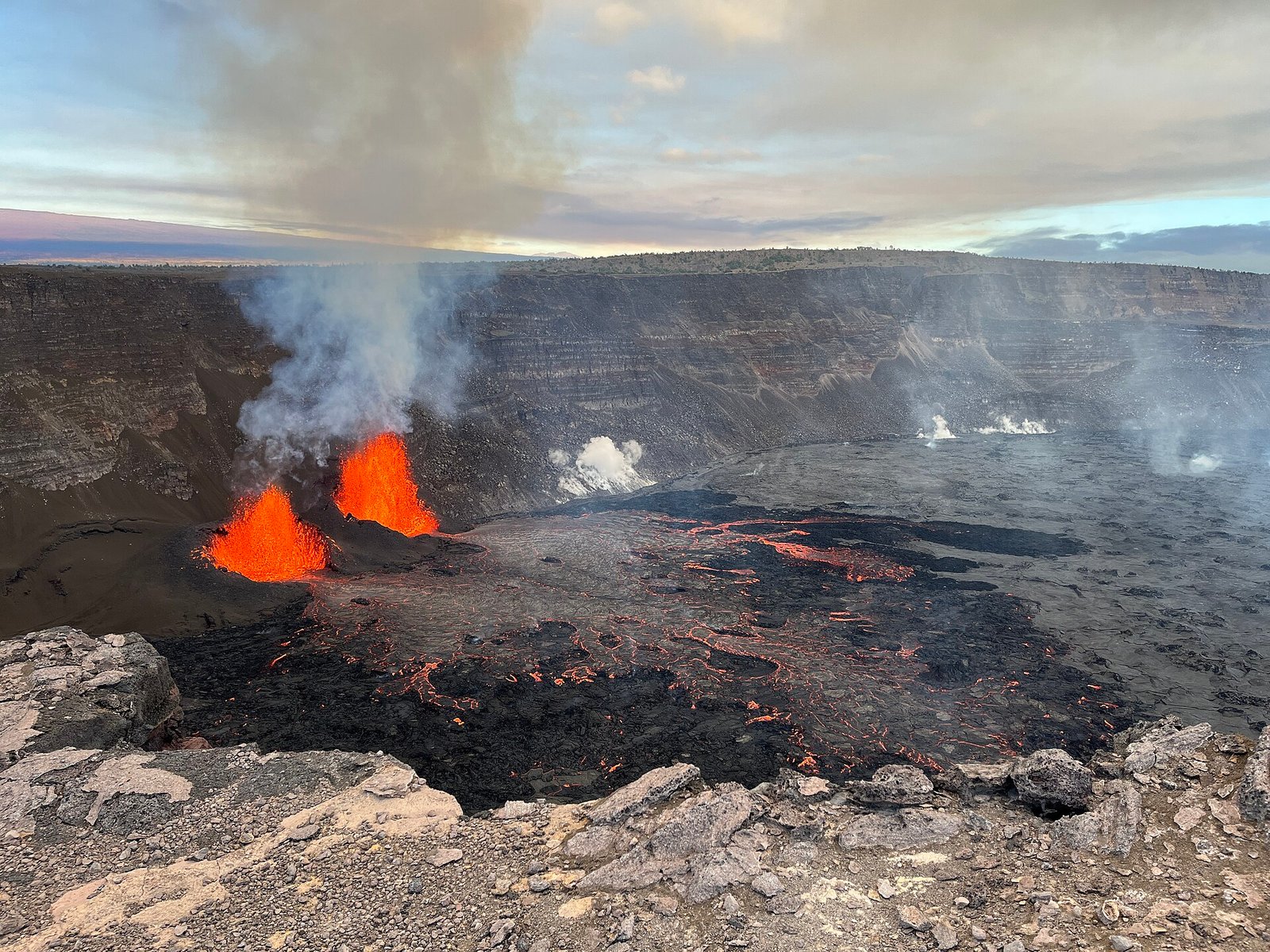
Kīlauea, one of the world’s most active volcanoes, sits inside Hawaiʻi Volcanoes National Park. Its summit has been erupting in short episodes of lava fountaining since December 2024, all within a closed area of the park, and during an episode the fountains can be seen from open overlooks. Outside of eruptions, you can drive Crater Rim Drive, walk through a lava tube, hike across the Kīlauea Iki crater floor and drive Chain of Craters Road down to the sea.
Plan at least a full day, and check eruption updates before you go. Our Hawaiʻi Volcanoes National Park guide covers fees, what to see and how to watch an eruption safely.
We may earn a commission when you book through links on this page, at no extra cost to you. How we make money.
Snorkel with manta rays at night
Off the Kona coast, boats shine lights into the water after dark, which draws plankton, and reef manta rays come in to feed. Snorkelers float at the surface holding a lit board while the mantas swim below. It’s one of the most popular experiences on the island. Don’t touch the mantas or dive down toward them, and follow the crew’s instructions.
See manta ray night snorkel tours.
Stargazing on Maunakea
Maunakea rises nearly 14,000 feet above sea level, and its summit is one of the best stargazing sites on Earth. The summit road requires four-wheel drive and the altitude can cause altitude sickness, so most visitors go with a tour that provides transport, warm clothing and telescopes. Maunakea is also a sacred place in Hawaiian culture, so treat it with respect.
Compare Maunakea sunset and stargazing tours.
Hilo and the waterfalls
Hilo, on the island’s wet east side, is an old-fashioned town with a farmers market, a bayfront and waterfalls close by, including Rainbow Falls and ʻAkaka Falls. It’s also about 45 minutes from the national park, which makes it a handy base. Our guide to Hilo and the volcano area suggests how to split your time.
Puʻuhonua o Hōnaunau

South of Kona, Puʻuhonua o Hōnaunau National Historical Park preserves a place of refuge where people who broke kapu (sacred laws) could seek safety. Walk the grounds past reconstructed temple structures and carved wooden images, then look for turtles along the shoreline.
Beaches
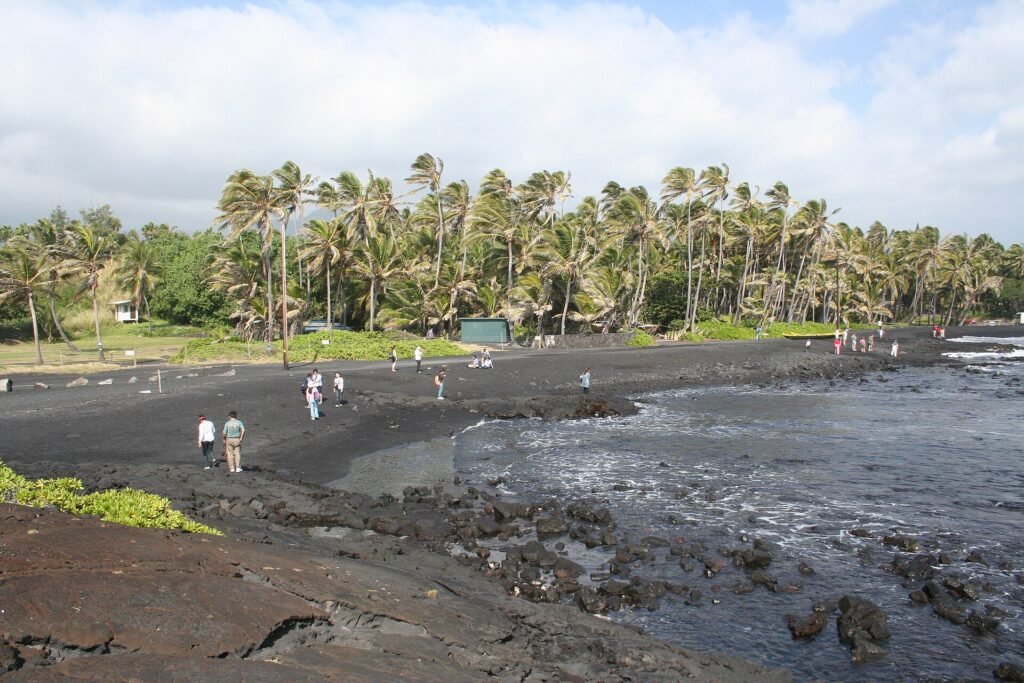
The Kohala Coast north of Kona has some of Hawaiʻi’s best white sand beaches, including Hāpuna. On the south side, black sand beaches like Punaluʻu are known for resting sea turtles. Give turtles at least 10 feet of space, and remember that many Big Island beaches have strong currents when the surf is up.
Getting around
The Big Island is big. Driving from Kona to Hilo takes around two hours or more, depending on the route. You’ll need a rental car, and many visitors fly into one airport and out of the other. Compare car rentals at Kona Airport (KOA).
Self-drive audio tours: Shaka Guide’s GPS audio tours cover Hawaiʻi Volcanoes National Park and the Kona coast, with narration that plays as you drive.
Book it
See Big Island tours, hotel areas and rental cars together on our Hawaiʻi Island booking guide, or browse all Big Island activities.