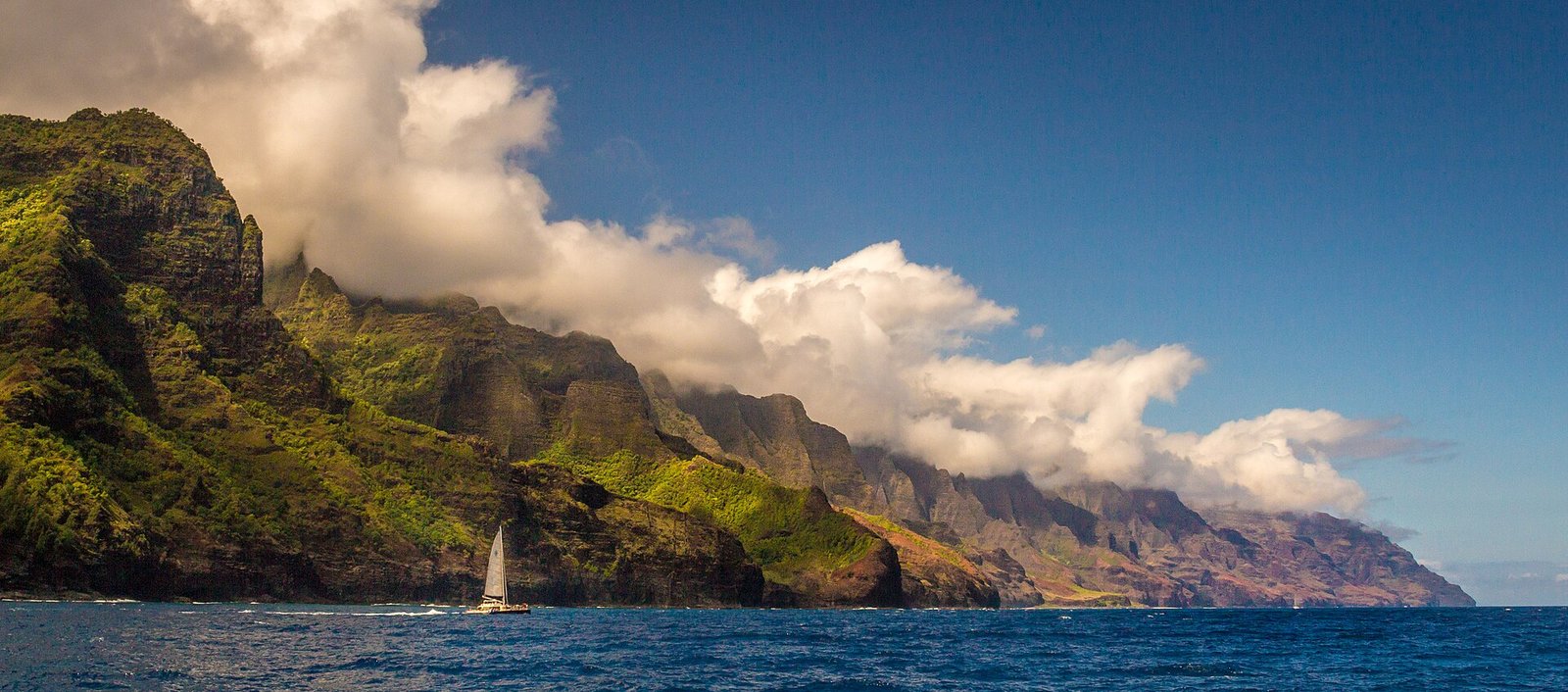
Hāʻena State Park sits at the very end of the road on Kauaʻi’s North Shore. It’s home to Kēʻē Beach and the start of the Kalalau Trail, the only way to reach the Nā Pali Coast on foot. To protect the area, the state limits daily visitors and requires nonresidents to book ahead. Here’s how the system works.
Quick facts
- Who needs a reservation: all visitors without a Hawaiʻi resident ID.
- Where to book: the official Go Hāʻena site run by Hawaiʻi State Parks.
- When to book: reservations open 30 days ahead and often sell out quickly.
- Three ways in: a timed parking reservation, a seat on the North Shore shuttle, or a walk-in or bike-in entry pass.
- Daily limit: a set number of visitors per day, so there are no walk-ups.
Parking, shuttle or walk-in?
- Parking reservation: a timed slot in the small lot at the end of the road. These are the hardest to get.
- Shuttle: the North Shore shuttle runs from the Hanalei area and includes park entry. It’s often the easiest option, and you skip the drive over one-lane bridges.
- Walk-in or bike-in: an entry pass for people arriving on foot or by bike, if you’re staying close by.
Every option includes a per-person entry fee. Parking reservations add a vehicle fee and shuttle tickets add a fare. Check current prices when you book.
Hiking the Kalalau Trail
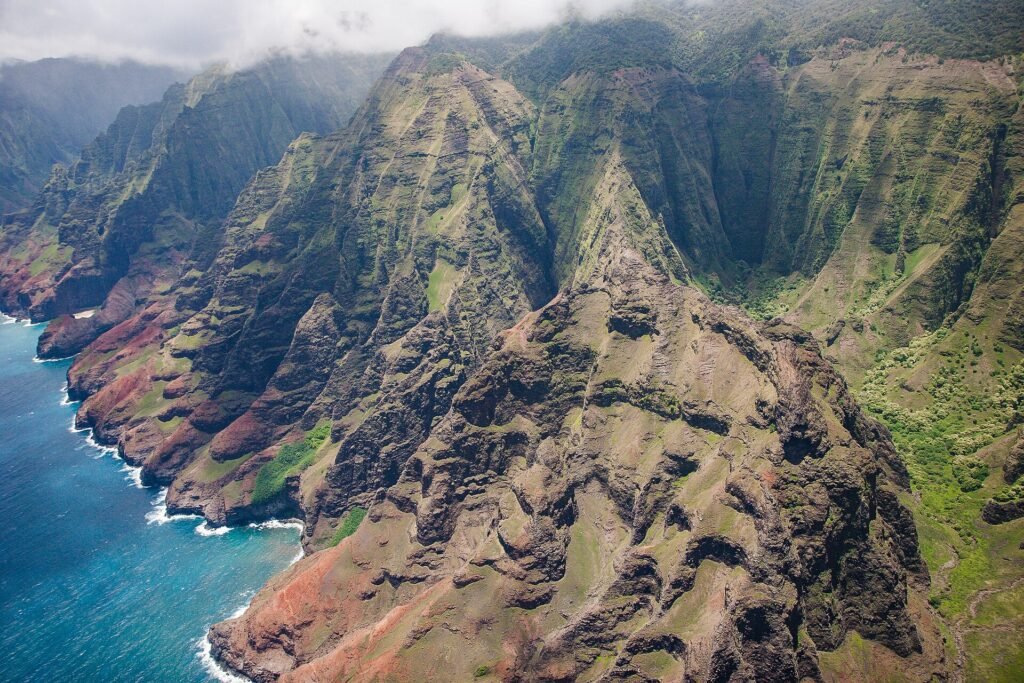
The Kalalau Trail runs 11 miles along the Nā Pali Coast. A Hāʻena day-use reservation covers the first 2 miles, to Hanakāpīʻai Beach, and the side trail up the valley to Hanakāpīʻai Falls. Going past Hanakāpīʻai Valley requires a separate Nā Pali Coast State Wilderness Park camping permit, even for a day hike.
- Don’t swim at Hanakāpīʻai Beach. Currents there are dangerous and have swept people out to sea.
- Don’t cross a rising stream. Flash floods happen fast. If the water is muddy or rising, wait or turn back.
- Wear real shoes. The trail is steep, rocky and often muddy.
- Start early and carry plenty of water.
Overnight hikers can’t park at Hāʻena, so campers need to take the shuttle or arrange a drop-off.
Kēʻē Beach
Kēʻē Beach sits right next to the trailhead. On calm summer days its reef-protected lagoon is good for swimming and snorkeling. In winter, North Shore swells can make it dangerous, so check with the lifeguards first.
Closures happen
The park and trail close during heavy rain, flooding and storms. Hāʻena reopened on October 15, 2026 after Hurricane Lowell closed it for more than a month. Check the Hawaiʻi State Parks page for Hāʻena for current conditions before you go.
No reservation? Other ways to see Nā Pali
- By boat: catamaran and raft tours run along the coast from the west side.
- By air: helicopter tours fly over the Nā Pali cliffs and valleys.
- From above: the Kalalau Lookout in Kōkeʻe State Park looks straight down into the valleys.
We may earn a commission when you book through links on this page, at no extra cost to you. How we make money.
Compare Nā Pali boat tours · See helicopter tours